
Oct
24

Managing money can be challenging enough without adding gambling into the mix. Whether you enjoy occasional sports bets or casino games from Diwa OK, it’s easy to get caught up in the excitement and lose track of your spending. That’s why having a personal gambling budget matters. The goal isn’t to find a winning formula or turn gambling into a source of cash. It’s to decide in advance how much you can afford to spend on entertainment without risking your everyday finances. With a few practical habits, you can establish clearer boundaries and make more informed financial decisions.
Start With Your Essential Expenses

Before deciding how much money to set aside for gambling, take an honest look at your monthly finances. Prioritize rent, groceries, electricity, transport, debt repayments, savings, and other essential expenses. If your income barely covers these commitments, there’s no room for a gambling budget, and that’s perfectly okay. A budget should reflect what your finances can genuinely support, rather than what you hope to win.
Decide What You Can Afford to Lose
A useful gambling budget starts with one straightforward question: how much money could you lose completely without affecting your daily life? This amount should come from genuine disposable income, not rent money, emergency savings, borrowed funds, or money intended for upcoming bills. Treat the entire budget as a potential expense because gambling outcomes are uncertain. For example, if you can comfortably spare a small amount after meeting all your obligations, set that amount as your absolute limit. If you cannot afford to lose anything, the safest budget is zero.
Set Weekly and Monthly Limits

Once you’ve established an affordable amount, divide it into manageable limits. A monthly cap can help you see the bigger picture, while a weekly limit makes it easier to monitor spending as you go. For instance, someone with a hypothetical entertainment budget of $40 per month might decide not to spend more than $10 in any week. The currency and amount aren’t important; what matters is choosing figures that fit your circumstances. Set these limits before playing, and don’t increase them just because you’ve had a losing session or feel tempted to keep going.
Keep Gambling Money Separate
Mixing gambling expenses with everyday spending can make it harder to understand where your money goes. Keeping a simple record of deposits, wagers, and withdrawals can provide a clearer picture of your actual spending. You can use a spreadsheet, notebook, or budgeting app to track the figures. Consider creating a separate spending category in your regular budget instead of dipping into money reserved for essentials. Remember, money in a gambling account isn’t guaranteed income, and an apparent balance shouldn’t encourage you to spend beyond your original limit.
Never Include Winnings in Your Income Plan
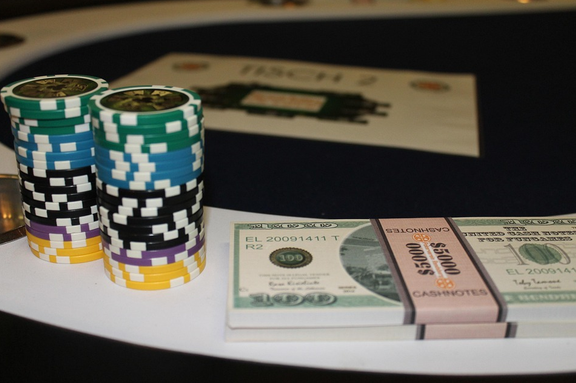
One of the biggest budgeting mistakes is treating gambling winnings as money you can count on every month. Unlike a salary, business income, or another dependable source of funds, gambling returns are unpredictable. You might win occasionally, but you can also lose repeatedly. That uncertainty makes gambling unsuitable for paying bills, clearing debt, or meeting savings goals. Build your financial plan around reliable income instead. If you do win, don’t assume it will continue. Prioritize your finances first, and never increase your future gambling budget because you had a lucky result.
Recognize When It’s Time to Stop
A budget only works when you stick to it, particularly when emotions start influencing decisions. Chasing losses, borrowing to gamble, hiding spending, or repeatedly exceeding your limits can signal that your habits are becoming harmful. Set a clear stopping point before every session, and take breaks instead of trying to recover money you’ve lost. Account features such as deposit limits, time reminders, and self-exclusion can offer extra protection. If gambling begins affecting your relationships, work, or financial security, stepping away and seeking support is a sensible and important decision.
Building a personal gambling budget is about protecting your finances, not finding a way to earn money from gambling. Start with essential expenses, choose an amount you can afford to lose, establish firm spending limits, and track your activity honestly. Most importantly, keep potential winnings separate from your regular financial plans. Gambling outcomes are uncertain, and no strategy can guarantee a profit. If gambling no longer feels affordable or enjoyable, taking a break or stopping altogether is always a valid choice. Your financial stability should always come first.…