
Understanding Run Lines in Cricket Betting: 5 Facts

Cricket can turn into a run-scoring circus in a matter of overs. One team looks unstoppable, then a couple of wickets fall, and the entire match changes direction. Run lines add another layer to that drama by focusing on the margin between teams, rather than simply asking who wins. Understanding this market helps you interpret the numbers before deciding if a bet makes sense.

Run Lines Focus on the Winning Margin

A run line is a type of handicap market that adjusts a team’s score by a specified number of runs for betting purposes. Instead of backing a team to win outright, you predict how it will perform relative to that handicap. For example, a team might be listed at -15.5 runs, meaning it must finish at least 16 runs ahead for that selection to win under the stated settlement rules. The opposing team may receive a +15.5 run advantage. This means it can lose by up to 15 runs and still cover the adjusted margin in a market settled on the final run difference. Sounds simple, right? The catch is that bookmakers may apply different rules for abandoned matches, shortened games, or other unusual situations, so always check the market terms.

The Format Changes the Equation

A run line can feel very different in a T20 match compared with a Test match. In T20 cricket, teams have limited overs and often attack early, creating rapid swings in scoring. A handicap of 15 runs could be significant in a close contest, yet achievable for a strong batting side on a high-scoring pitch. The same margin may carry a different meaning in another match. In longer formats, the number of innings and the market’s specific settlement conditions become especially important. Some betting markets focus on a team’s innings total, while others use a match result or a defined period of play. Never assume every run line covers the same scoring window. Check if the wager applies to one innings, a particular session, or the entire match.

Pitch Conditions and Team Strength Matter

A flat pitch can help batters pile up runs, while a surface offering movement or spin may make scoring harder. Weather can also interrupt play and reduce the available overs, particularly in limited-overs cricket. These conditions affect the likely scoring margin, although no pitch report can guarantee how the match will unfold. A team expected to dominate can still stumble after losing early wickets. Team selection matters just as much. Injuries, rested players, batting depth, bowling quality, and recent workloads can all influence performance. A powerful batting lineup may struggle against disciplined bowlers, while a weaker side can stay competitive through smart partnerships. Consider the full matchup rather than judging teams by their names or league positions alone.

Half Runs Prevent Certain Tie Outcomes

You may see run lines such as -8.5, +12.5, or -20.5. Those half-run values prevent the adjusted margin from landing exactly on a whole-number tie, creating a straightforward win-or-loss result under standard settlement rules. For example, if a team must cover -8.5 runs, it needs to win by at least nine runs. Winning by eight would not be enough. Whole-number handicaps work differently because the adjusted result can land exactly on the line. Depending on the market rules, that outcome may result in a push, meaning the stake is returned. However, settlement policies can vary, so read the details before placing any wager. One tiny decimal point can make a big difference to the final result.

Odds Don’t Guarantee a Winning Bet

A favorable run line doesn’t automatically mean a good wager. Odds reflect the bookmaker’s pricing, which may account for team strength, expected scoring, and betting activity. Compare the available prices and assess the handicap against realistic match scenarios, but remember that estimates can be wrong. No system can remove the uncertainty baked into cricket. Set a spending limit before placing any bet, and never chase losses after an unexpected collapse. Run lines can make cricket markets more interesting, but they also require careful attention to scoring rules and match conditions.


Related Post

chips

Secrets to Picking the Perfect Online Casino Bonus

When looking for an online casino, it’s essential to consider the bonuses offered. This can be a great way to increase your chances of winning and provide you with extra cash to play with. However, not all dividends are created equal. It would help if you kept a few things in mind when choosing bonus offers with not on Gamstop casino sites. This blog post will discuss the secrets to picking the perfect online casino bonus.

Check the Bonus Terms and Conditions

cardsOne way to ensure you’re getting the best bonus is to read the terms and conditions associated with it carefully. Make sure you understand what you agree to, such as how much money you need to deposit before the bonus can be released. It’s also important to note any restrictions or limitations on who can receive the bonus and any wagering requirements that must be met before you can withdraw any winnings.


Look for Wagering Requirements

Some bonuses have special wagering requirements, meaning you’ll need to bet a certain amount of money to qualify for the bonus. This is important to remember when choosing an online casino bonus, as it could mean winning big and losing all your money. Try to find a bonus with reasonable wagering requirements, as this will give you a better chance of making some money. In addition, make sure that the bonus is worth it for you. If not, then it may be better to look for another option. A good rule of thumb is to compare the value of the bonus with what you would get from playing without a bonus to determine whether it’s worth taking advantage of.

Find Out Extra Rewards

Many online casinos offer extra rewards on top of the bonus, such as free spins or other perks. These can be a great way to make your experience even more rewarding and increase your chances of winning. Be sure to check whether or not there are any additional rewards associated with the bonus you’re considering before making your decision. As you can see, there are a few key considerations to keep in mind when choosing an online casino bonus. Be sure to read through the terms and conditions, look out for wagering requirements and assess whether or not the prize is worth it. Additionally, don’t forget to see if any extra rewards are associated with the bonus, as these can be a great way to make your experience even more rewarding. Keep these tips in mind, and you’ll surely find the perfect online casino bonus for your needs.

How to Build a Personal Gambling Budget Without Treating Gambling as Income

Managing money can be challenging enough without adding gambling into the mix. Whether you enjoy occasional sports bets or casino games from Diwa OK, it’s easy to get caught up in the excitement and lose track of your spending. That’s why having a personal gambling budget matters. The goal isn’t to find a winning formula or turn gambling into a source of cash. It’s to decide in advance how much you can afford to spend on entertainment without risking your everyday finances. With a few practical habits, you can establish clearer boundaries and make more informed financial decisions.

Start With Your Essential Expenses

Before deciding how much money to set aside for gambling, take an honest look at your monthly finances. Prioritize rent, groceries, electricity, transport, debt repayments, savings, and other essential expenses. If your income barely covers these commitments, there’s no room for a gambling budget, and that’s perfectly okay. A budget should reflect what your finances can genuinely support, rather than what you hope to win.

Decide What You Can Afford to Lose

A useful gambling budget starts with one straightforward question: how much money could you lose completely without affecting your daily life? This amount should come from genuine disposable income, not rent money, emergency savings, borrowed funds, or money intended for upcoming bills. Treat the entire budget as a potential expense because gambling outcomes are uncertain. For example, if you can comfortably spare a small amount after meeting all your obligations, set that amount as your absolute limit. If you cannot afford to lose anything, the safest budget is zero.

Set Weekly and Monthly Limits

Once you’ve established an affordable amount, divide it into manageable limits. A monthly cap can help you see the bigger picture, while a weekly limit makes it easier to monitor spending as you go. For instance, someone with a hypothetical entertainment budget of $40 per month might decide not to spend more than $10 in any week. The currency and amount aren’t important; what matters is choosing figures that fit your circumstances. Set these limits before playing, and don’t increase them just because you’ve had a losing session or feel tempted to keep going.

Keep Gambling Money Separate

Mixing gambling expenses with everyday spending can make it harder to understand where your money goes. Keeping a simple record of deposits, wagers, and withdrawals can provide a clearer picture of your actual spending. You can use a spreadsheet, notebook, or budgeting app to track the figures. Consider creating a separate spending category in your regular budget instead of dipping into money reserved for essentials. Remember, money in a gambling account isn’t guaranteed income, and an apparent balance shouldn’t encourage you to spend beyond your original limit.

Never Include Winnings in Your Income Plan

One of the biggest budgeting mistakes is treating gambling winnings as money you can count on every month. Unlike a salary, business income, or another dependable source of funds, gambling returns are unpredictable. You might win occasionally, but you can also lose repeatedly. That uncertainty makes gambling unsuitable for paying bills, clearing debt, or meeting savings goals. Build your financial plan around reliable income instead. If you do win, don’t assume it will continue. Prioritize your finances first, and never increase your future gambling budget because you had a lucky result.

Recognize When It’s Time to Stop

A budget only works when you stick to it, particularly when emotions start influencing decisions. Chasing losses, borrowing to gamble, hiding spending, or repeatedly exceeding your limits can signal that your habits are becoming harmful. Set a clear stopping point before every session, and take breaks instead of trying to recover money you’ve lost. Account features such as deposit limits, time reminders, and self-exclusion can offer extra protection. If gambling begins affecting your relationships, work, or financial security, stepping away and seeking support is a sensible and important decision.

Building a personal gambling budget is about protecting your finances, not finding a way to earn money from gambling. Start with essential expenses, choose an amount you can afford to lose, establish firm spending limits, and track your activity honestly. Most importantly, keep potential winnings separate from your regular financial plans. Gambling outcomes are uncertain, and no strategy can guarantee a profit. If gambling no longer feels affordable or enjoyable, taking a break or stopping altogether is always a valid choice. Your financial stability should always come first.

lady at casino

The Role of Luck vs. Strategy in Popular Casino Games

Casino games have fascinated players for centuries, combining excitement, risk, and the promise of reward. A central debate among enthusiasts is the role of luck versus strategy. Some games seem purely chance-driven, while others reward skillful decision-making. Understanding how luck and strategy interact can enhance your experience and improve your approach to gambling. This article explores the balance of these elements in popular casino games, highlighting how players can maximize enjoyment and potentially improve outcomes.

Understanding Luck in Casino Games

Luck refers to the random outcomes that determine a game’s result. In many casino games, chance plays a major role. Slot machines, for instance, rely on random number generators to determine winning combinations. Players cannot influence the results, making luck the defining factor. While skillful behavior may enhance the experience, the outcome is largely unpredictable. Embracing the randomness of luck is essential for realistic expectations.

The Influence of Strategy

Strategy involves making informed decisions to improve the probability of success. Games like blackjack, poker, and baccarat incorporate elements where knowledge and planning can affect outcomes. Knowing when to hit or stand in blackjack, for example, can significantly reduce the house edge. In poker, reading opponents, managing bets, and understanding probabilities give skilled players an advantage. Strategy adds a layer of control, allowing players to apply reasoning to games that are partially skill-based.

The Psychology of Luck and Strategy

Beliefs about luck and skill influence player behavior. Some may overestimate their ability to control outcomes in chance-driven games, while others underestimate the value of strategy in skill-based games. Understanding the psychological aspects helps maintain balance and responsible gambling. Confidence, patience, and discipline are critical for leveraging strategy where possible, while accepting luck in games where it dominates. Maintaining a realistic mindset enhances both enjoyment and decision-making.

Slot Machines: Pure Luck Games

slot machine

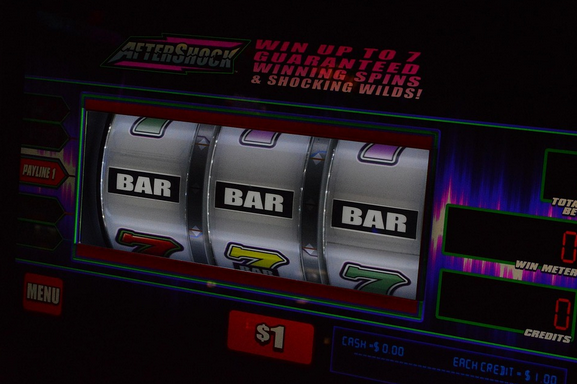
Slot machines are among the most popular casino games, and they are almost entirely luck-driven. Outcomes are determined by algorithms, meaning no strategy can guarantee a win. Players can select machines, bet sizes, or paylines, but these choices do not influence the underlying probabilities. The unique appeal of slots lies in their unpredictability and the potential for large payouts. Players who understand this can enjoy slots for entertainment rather than as a method to consistently earn money.

Blackjack: Combining Luck and Skill

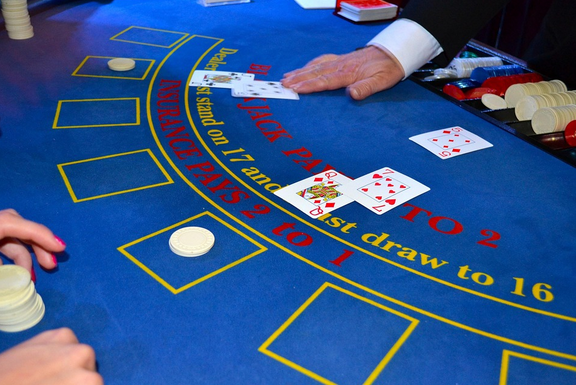
Blackjack is a classic example where both luck and strategy play a role. The cards you are dealt are random, making luck essential. However, players who use basic strategy, such as knowing when to hit, stand, double down, or split, can minimize the house edge. This blend of randomness and skill makes blackjack unique. While you cannot control the draw, making informed choices increases the probability of success and demonstrates the importance of strategic thinking.

Poker: Skill Over Luck in the Long Run

casino gambling

Poker is largely considered a skill-based game, though luck influences short-term outcomes. Winning consistently requires knowledge of hand probabilities, betting strategies, and psychological insight. While a single hand may depend heavily on luck, experienced players excel over multiple games by making calculated decisions. This long-term strategic approach ensures that skill predominates over chance. Understanding variance and managing risk are crucial for long-term success in poker.

Roulette: Betting Systems and Probability

Roulette offers an interesting mix of luck and basic strategy. The spin of the wheel is entirely random, making luck the ultimate decider of each outcome. Some players employ betting systems, such as the Martingale, to manage stakes. These methods do not change probabilities but can affect short-term bankroll management. Recognizing that roulette is mostly luck-based ensures players approach it with realistic expectations. Strategy can enhance enjoyment but does not guarantee consistent wins.

How to Maximize Enjoyment While Playing

Regardless of luck or strategy, the primary goal should be entertainment. Choosing games that match your skill level and interests ensures a more enjoyable experience. For luck-based games, appreciate the unpredictability and thrill. For strategy-based games, practice techniques, manage risk, and apply knowledge to improve outcomes. Balancing risk, bankroll management, and game choice ensures that gambling remains engaging without compromising financial prudence.

Casino games offer a spectrum from pure luck to skill-dominated experiences. Slot machines rely almost entirely on randomness, while blackjack and poker reward strategic decision-making. Understanding the balance between luck and strategy helps players set realistic expectations, enjoy the experience, and potentially enhance outcomes in skill-based games. Recognizing the role of chance while applying thoughtful strategies where applicable ensures a well-rounded approach to casino gaming. Whether seeking thrill or challenge, informed play enhances both entertainment and performance.